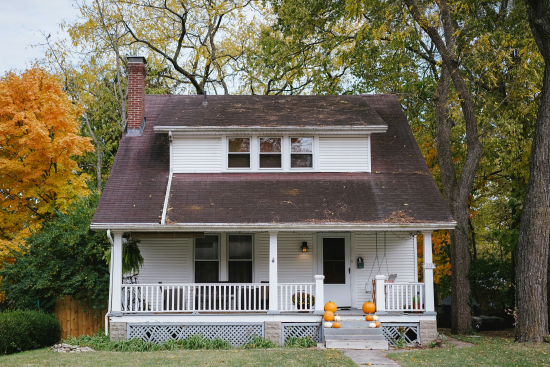
Have you ever stepped into a house and immediately felt at home? It’s more than just the layout or the furniture, isn’t it? It’s about the sense of belonging, that instant connection that says, “This is where I’m meant to be.” For buyers, this feeling is crucial.
When I think about what makes a house feel like home, it comes down to emotions. It’s the memories waiting to be made, the laughter echoing through the rooms, and the comfort of a cozy evening in. We crave spaces that reflect who we are, places where we can unwind and just be ourselves.
In this post, I’ll explore how certain elements, like lighting, scents, and personal touches, create that indescribable aura of home. Whether you’re buying your first house or your fifth, I’ll guide you through the essentials of turning any house into a true home. Let’s dive into the heart of what really matters in making that perfect space.
Emotional Connection to Space
When stepping into a house, what really tugs at our heartstrings? It’s not just the structure or the floor plan; it’s the emotional connection we feel. This connection can transform a simple house into a home for buyers, making all the difference in their decision-making process. My journey through various homes has led me to realize that this connection is shaped by personal memories and the design elements we use to express ourselves.
Personal Memories and Experiences
Why do some spaces immediately feel like home? It’s often because of the memories and experiences that weave themselves into the fabric of our lives. A house might remind you of your childhood home with its creaky floors and sunny kitchen. These things tap into your past. Whether it’s that little nook under the stairs where you imagine building a fort or the garden that’s perfect for family barbecues, these elements create a sense of belonging.
Our personal history is like a treasure chest, full of cherished moments. When a house resonates with those memories, it feels familiar and safe. I remember visiting a house where the attic smelled like my grandmother’s old attic. It instantly felt like a place where I belonged. Such spaces don’t just house our bodies; they shelter our souls.
Visual Appeal and Design
Do colors and decor really matter when it comes to feeling at home? Absolutely. The design of a house plays a huge role in making it inviting and comfortable. Imagine walking into a room bathed in soft blues and greens. Calming, isn’t it? These colors can set the tone for relaxation and peace, making a buyer feel at home.
The way we decorate is like a personal statement. From the art on the walls to the way furniture is arranged, every choice speaks volumes. It’s like setting the stage for your life’s play. A well-designed space says, “Come in, take off your shoes, and stay a while.” Design transforms a house from just a property into your personal haven.
Ultimately, it’s these emotional connections and design choices that guide us in finding a house that truly feels like a home—a place where both our hearts and memories reside comfortably.
Sense of Community and Neighborhood
When you think about what makes a house feel like home, it’s more than just the four walls and a roof. It’s the community around it that wraps you like a cozy blanket. A neighborhood isn’t just a place where your house is situated; it’s where your life unfolds, each day bringing new moments that weave the fabric of your daily experiences. Have you ever wondered why some places just click with you while others feel distant? Let’s explore that feeling.
Proximity to Loved Ones
Imagine this: finishing a long day and knowing that your best friend or family member is just a few minutes away. Doesn’t that make everything a little easier? Being close to loved ones can transform a house into a home. It’s not just about living near people; it’s about the comfort of knowing they’re close enough to share a dinner, a laugh, or lend an ear when you need it most. For many, the idea of having family and friends nearby is like having an anchor, providing stability and a sense of rootedness in the community.Emotional Support: Proximity to loved ones means having a support system nearby, easing life’s everyday stresses.Shared Experiences: Opportunities to create memories together, like spontaneous meet-ups or weekend barbecues, enrich the daily living experience.Community Threads: Strong relationships can connect you more deeply to the broader neighborhood, fostering a sense of belonging.
Local Amenities and Services
A great neighborhood is like a well-stocked toolbox, offering all the conveniences that make life smoother and more enjoyable. We’re talking about parks where kids can play, schools that encourage young minds to grow, shops for a quick grocery run, and community centers that host activities and events. These amenities aren’t just conveniences; they are the heartbeat of a vibrant neighborhood.
Consider these benefits:
Recreational Spaces: Parks and trails offer a natural escape, serving as the lungs of the neighborhood, where you can relax and recharge.
Schools and Education: Quality schools nearby mean peace of mind and easier school runs—a big plus for families.
Shopping and Dining: From grocery stores to cozy cafes, the availability of shops and restaurants means less time commuting and more time enjoying.
Healthcare Access: Proximity to medical facilities ensures health needs are met quickly, reflecting a community that supports its members.
These services help shape the community’s character and contribute to a sense of belonging. They connect you to your surroundings and the people you share them with, making it easier to feel at ease. And isn’t that what makes a house feel like home?
Customization and Personal Touches
What makes a house feel like home? It’s a question many of us ponder when stepping into a new space. Beyond four walls and a roof, it’s the fingerprints we leave—the soul we inject into each corner. Let’s explore how customization and personal touches transform a mere structure into a comforting refuge.
Renovations and Improvements
Ever thought about how a simple renovation can change your bond with your home? It’s like tailoring a suit; even a small adjustment can make it feel uniquely yours. When buyers invest time and energy into renovations—whether it’s updating a kitchen, converting a garage, or even knocking down a wall—it roots them more deeply in the space.
Why is this? Because these changes reflect their personal needs and desires. It could be as simple as adding a splash of color on the walls or as grand as building an outdoor deck. Each renovation becomes an emotional anchor, a tangible expression of the dream they hold. It’s not just about increasing property value; it’s about increasing its emotional value.
Decor and Furnishings
The way we dress our homes is much like how we style ourselves. Decor and furnishings are a mirror of who we are and what we cherish. Think about it: Do you prefer cozy nooks with soft blankets and calm, muted tones? Or maybe you’re drawn to vibrant art, eclectic pieces, and bold patterns? Every choice speaks volumes about our identity.
Consider these elements:
Photographs and Art: These aren’t just decorations but windows into cherished memories and expressions of personal taste.
Furniture Style: Whether it’s the sleek lines of modern designs or the rustic charm of vintage pieces, our furniture narrates a story.
Color Schemes: A home’s color palette can be as telling as a mood ring, highlighting our emotions and preferences.
These touches personalize the space. Walking through your home, seeing familiar pieces arranged in just the right way, evokes a sense of belonging. It confirms that this is your space, curated by you, for you.
So, what truly makes a house feel like home for buyers? It’s the unique blend of renovations and personal touches, marking the space as unmistakably theirs.
Comfort and Functionality
You know that feeling when you walk through the door and everything just feels right? Comfort and functionality are key ingredients to creating a space that feels like home. It’s about more than just picking pretty paint colors or trendy furniture. It’s about ensuring that every aspect of the house works together to support a lifestyle that’s easy and enjoyable. So, let’s dig into what makes this magic happen.
Feng Shui and Layout
Ever feel like some homes have a certain flow that just feels… off? That’s where the idea of layout comes in. The way a house is set up can dramatically change how comfortable it feels. Think of a kitchen island that blocks the path to the dining area or a couch that backs up against a window instead of opening the space. It’s all in the flow.
Open spaces: Large, open rooms can inspire a sense of freedom. However, without the right layout, they can also feel empty or overwhelming.
Smooth transitions: Moving from one room to another should feel natural and unobstructed. Imagine a hallway that gently guides you into a welcoming living room.
Purposeful areas: Each space should have a clear function that makes sense. A reading nook tucked under a staircase, for example, uses space wisely and makes a cozy retreat.
These elements work together to create a home that doesn’t just look good, but feels good, too.
Outdoor Spaces and Nature
Now, let’s not forget about what’s outside the four walls. Nature plays a huge role in what makes a house feel like home. Sometimes, it’s as simple as stepping outside to breathe in fresh air or soaking up the sun.
Backyards and balconies: Even a small patio can become a favorite escape with the right touches, like comfy chairs and a few potted plants.
Gardens and greenery: A garden can serve as a personal oasis. Whether it’s a place for meditation or a spot to get your hands dirty, it enhances the homey feeling.
Natural views: Positioning windows to showcase trees, flowers, or even a clear sky can let nature in and fill a home with peace.
Outdoor spaces become an extension of the indoors, offering a place to relax and rejuvenate. They remind us that while a house provides shelter, enhancing the environment around it is what makes it feel like home.
Comfort and functionality aren’t just about picking the right furniture or paint colors. They’re about creating a space that supports not just living – but living well. Isn’t that truly what makes a house feel like home?
Conclusion
Understanding what makes a house feel like home isn’t just about choosing the right paint color or the trendiest furniture. It’s about connecting on an emotional level, feeling a part of the community, and infusing personal touches that make spaces truly yours. When buyers look at a house, they are looking for more than a shelter. They’re seeking a sanctuary, a place where they can see their stories unfold.
Reflecting on these aspects can help anyone on their house-hunting journey. Consider what makes you feel comfortable. Which community features draw you in? What personal elements are must-haves for you? Focus on these and you’ll be closer to discovering a place that feels like home.
If you’re on the hunt for such a home, take a moment to share your thoughts or your “home-seeking” stories in the comments. Let’s keep the conversation going and help each other find a place that resonates deeply. Thank you for joining me in this exploration of finding a home, and I look forward to hearing what makes a house feel like home for you.